Models
SageMaker's in-place model updates need extra GPU capacity once
SageMaker AI can reuse endpoint instances during a rolling model update. Learn how the initial capacity batch works and what to track during rollout.
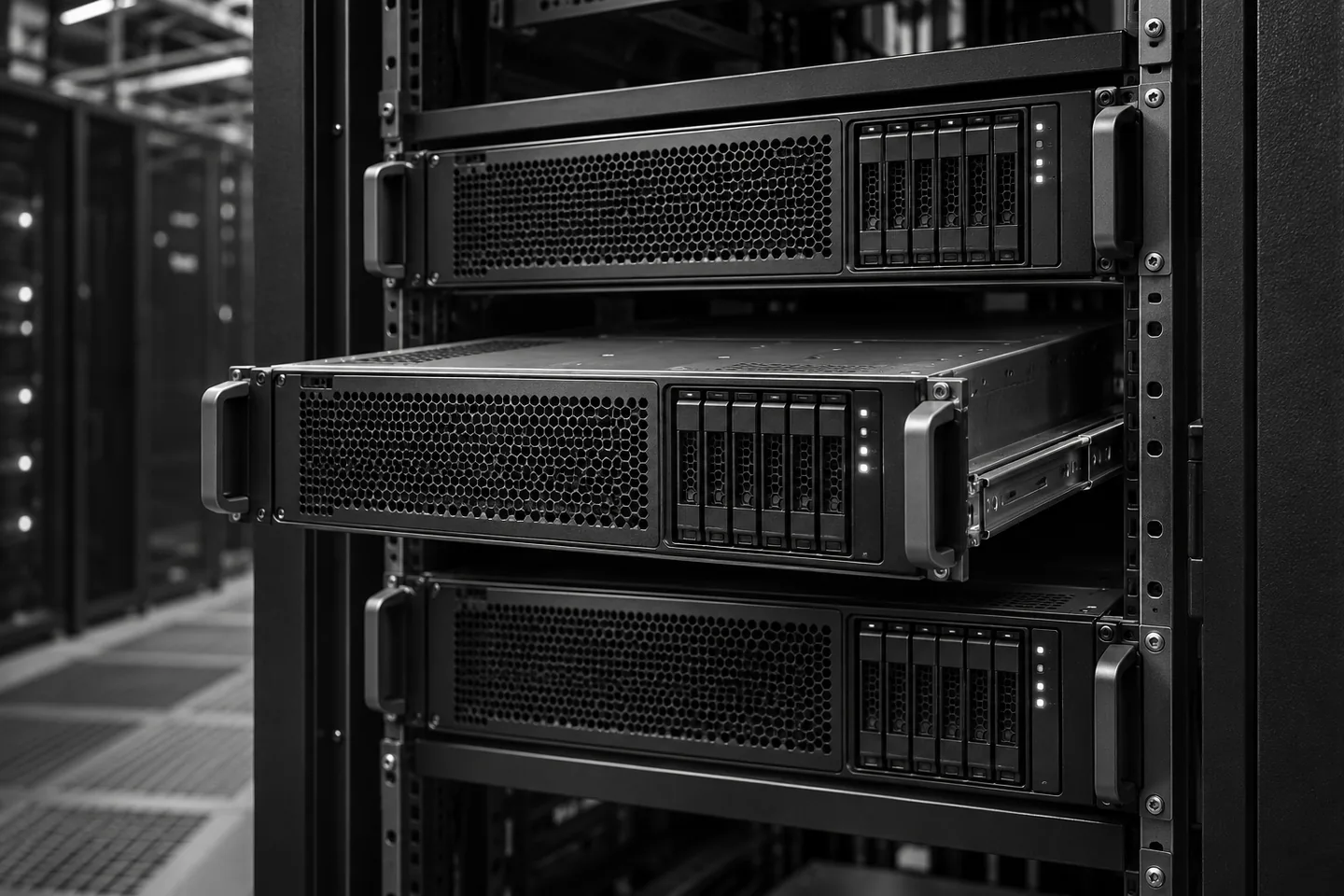
Image: AI-generated editorial illustration.
AWS says Amazon SageMaker AI has changed how managed endpoints perform rolling model updates. Instead of requesting fresh instances for every update batch, the service provisions one additional batch at the start, shifts traffic to it, updates the instances that batch frees, and reuses those instances to continue across the fleet. AWS says the change applies automatically to rolling model updates. AWS's November 19 overview
For a GPU-backed endpoint, the operational gain is a smaller capacity reservation during a deployment. AWS gives a 20-instance fleet with a batch size of two as an example: the update acquires two additional instances instead of twenty. This is AWS's illustrative example, not a guarantee of identical savings for every fleet. The improvement may matter most where GPU capacity is scarce or expensive to reserve, and where an update previously stalled because the next replacement batch was unavailable.
In-place reuse does not mean zero added capacity or a zero-risk rollout. AWS's described sequence still needs an initial batch and moves traffic in stages. Teams should confirm how readiness checks, rollback, endpoint health, and service quotas behave for their specific model and deployment configuration. The blog's high-level description does not provide per-workload rollout timings or a universal availability guarantee.
Before relying on the feature, compare a representative deployment with your current endpoint process. Record the number of additional instances requested, time until traffic shifts, per-instance health and warm-up, error and latency behavior through each stage, and what happens when a batch fails. Keep a rollback path for model and container changes, and test it in a non-production endpoint before counting the reduced capacity need in a budget.
AWS places this capability among a larger set of 2026 inference updates, including instance recommendations, GPU partitioning, multi-region routing, and monitoring. Those features address different constraints. In-place updates address the temporary capacity needed to replace a model on a managed endpoint; they do not select a better GPU configuration, prove the new model meets your latency target, or provide cross-region failover.
The company says a scale-in-first extension that would remove the need for additional instances is planned for early 2027. That is a roadmap statement, not an available feature as of the November 19 post. For current planning, budget for the one initial batch AWS describes and verify the exact behavior in your region and endpoint setup.
Sources
Related articles
Gemini 4 Neon brings a million-token context window
Google lists Gemini 4 Neon at $3 per million input tokens and $15 per million output. Access varies by product and plan; the model card gives a March 2026 cutoff.

What You Need to Run Inkling 2 Mini on Mac and Windows
Run Inkling 2 Mini through Ollama on a 32GB+ Mac or through the Windows Llama App and llama.cpp. Check model download, context memory and available RAM first.

Microsoft Ignite adds six models with different access paths
Five MAI models and Decision 1.1 arrived at Ignite with availability ranging from GitHub general release to private and security previews.